Linen in Bedding: A Comparative Look at Environmental Impact and Comfort Across Brands
An editorial exploration into linen bedding, weighing environmental footprints, fiber sourcing, and the tactile realities of fabrics from Naturepedic, Coyuchi, Libeco, and peers. A New Yorker-style meditation on material truth, sustainability, and the quiet luxury of a well-made bed.
Introduction
Linen bedding has become more than a textile choice; it is a statement about how we want to live in our sleep. The flax plant, its extraction, and the loom’s patient cadence shape a fabric that is breathable, durable, and paradoxically approachable. In this comparative landscape, we examine how a handful of notable brands approach linen—from the farm to the finish, from field to reverie. The brands considered here are not merely merchants of comfort; they are tentpoles of a larger conversation about sustainability, transparency, and the daily rituals of bed-making.
The key questions: Where do the fibers come from? What certifications anchor a product in a climate-conscious ecosystem? How do texture, weight, and weave translate into real-world comfort? And how do brands communicate environmental responsibility without slipping into performative rhetoric? These questions guide our exploration of three pillars—fiber sourcing and certification, production practices and lifecycle, and day-to-day performance in sleep contexts.
Fiber, Origin, and Certification: Mapping the Linen Landscape
Linen's appeal begins with its origin: flax grown in temperate climates, often in France or Belgium, where the stalks are harvested, retted, and spun into yarns that will later become woven textiles. The story continues with mills in Europe and beyond that convert those fibers into sheets and pillowcases that promise breathability and a cool touch.
Certification is not mere adornment; it is a framework of trust. Look for GOTS (Global Organic Textile Standard) on products like Coyuchi’s Organic Relaxed Linen Pillowcases, which signal organic fiber sourcing and socially responsible processing. The Belgian Linen label on certain pillows, such as the Classics Geneva Pillowcase, anchors the fabric as a premium product with traceable Belgian weaving and European flax.
Environmental narratives vary by brand. Some emphasize organic cultivation and low-impact finishes; others foreground lifecycle thinking—how linen’s natural properties reduce the need for chemical laundering or excessive replacement over time. Regardless of the path, readers should look for third-party certifications, transparent origin statements, and detailed care guidance that aligns with longevity and low environmental impact.
A note on texture and weight: Linen is often described by its “hand” and its weight in oz/yd². A lighter weave can feel crisp and cool, ideal for hot climates, while a denser weave may offer a softer drape and a more substantial presence. The interplay of weave, finish, and fiber quality is what translates a fabric from “linen” to a daily ritual.
Brand Profiles: What Sets Linen Bedding Apart
Coyuchi: Organic Commitments and Relaxed Luxury
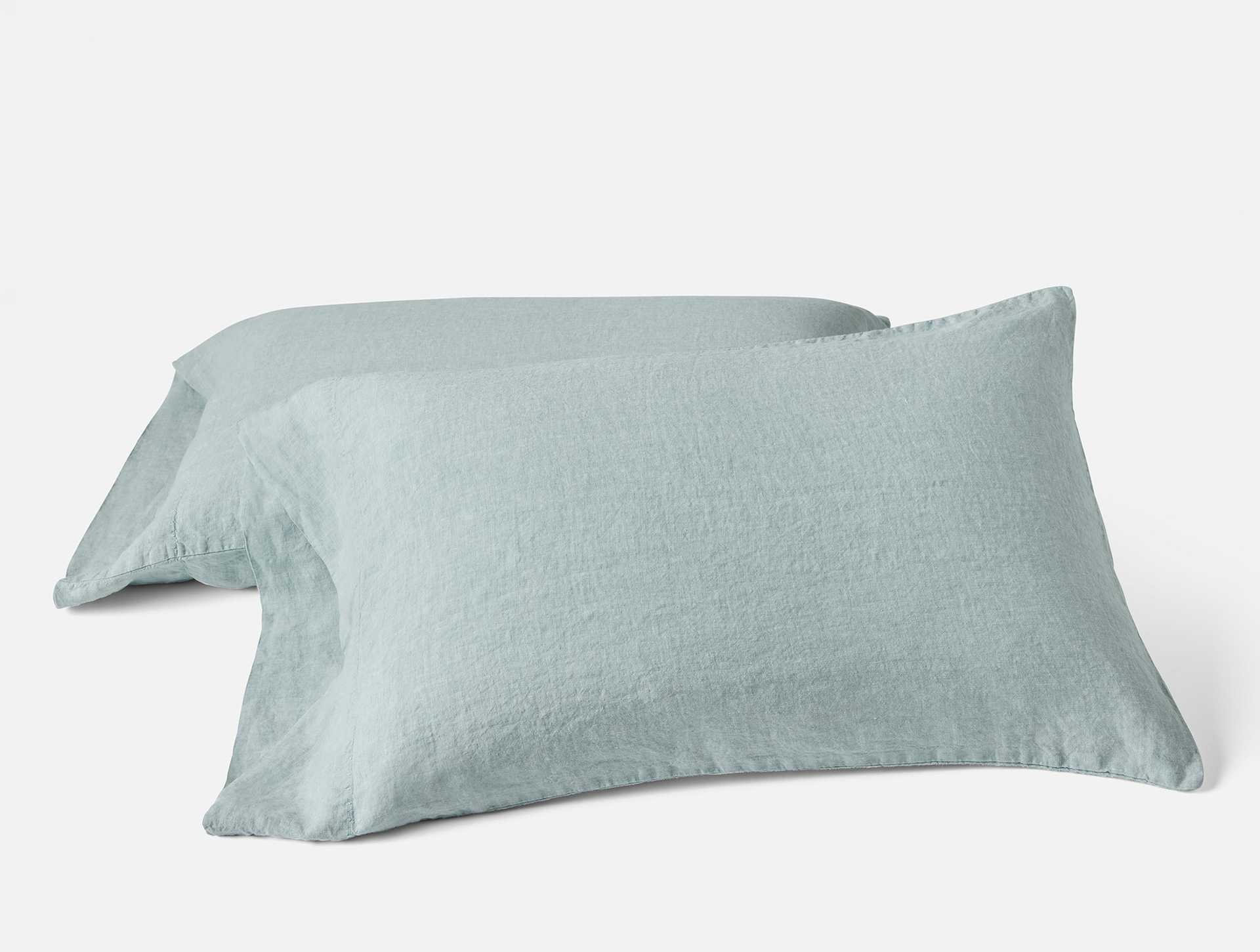
Coyuchi’s Organic Relaxed Linen Pillowcases, made from 100% organic flax, chalk a line in the sand for consumer trust. The fabric’s composted softness grows with use, and the pick-stitched cuffs add a practical refinement that respects the fabric’s natural texture.
Certification here isn’t a badge alone; it is a practice. GOTS certification anchors the fiber narrative, while their described production path—French flax, Portuguese weaving—threads a transparent supply chain into the home. The result is a pillowcase that feels lived-in, not lend-claim, and ages with quiet grace.
Naturepedic: Linen as Organic Bedrock
Naturepedic’s Linen Sheets represent a philosophy where organic integrity meets everyday comfort. The fabric, derived from certified organic flax, is woven into sheets that promise moisture management and temperature regulation, a practical union of science and sensory experience.
The emphasis here is a disciplined approach to certification and facility standards. For readers seeking a product that foregrounds organic processing and careful attention to fiber integrity, Naturepedic offers a benchmark in the linen space.
Libeco: The Atlas of Linen Lifestyle
Libeco’s Atlas Pouch and Atlas Crossbody Bag illustrate linen’s versatility beyond the bed. The Atlas Pillow Cover, a decorative yet robust option, demonstrates linen’s durability and aesthetic versatility. Libeco’s Belgian heritage and River linen trims emphasize a design language that is both practical and refined.
In bedding terms, Libeco’s linens often anchor a tactile, matte finish that wears with grace. The brand’s emphasis on European flax and Belgian weaving creates a premium tactile ladder for readers seeking a ceremonial, durable linen experience.
Coyuchi Decorative Pillow Covers: The Quiet Luxury of Linen
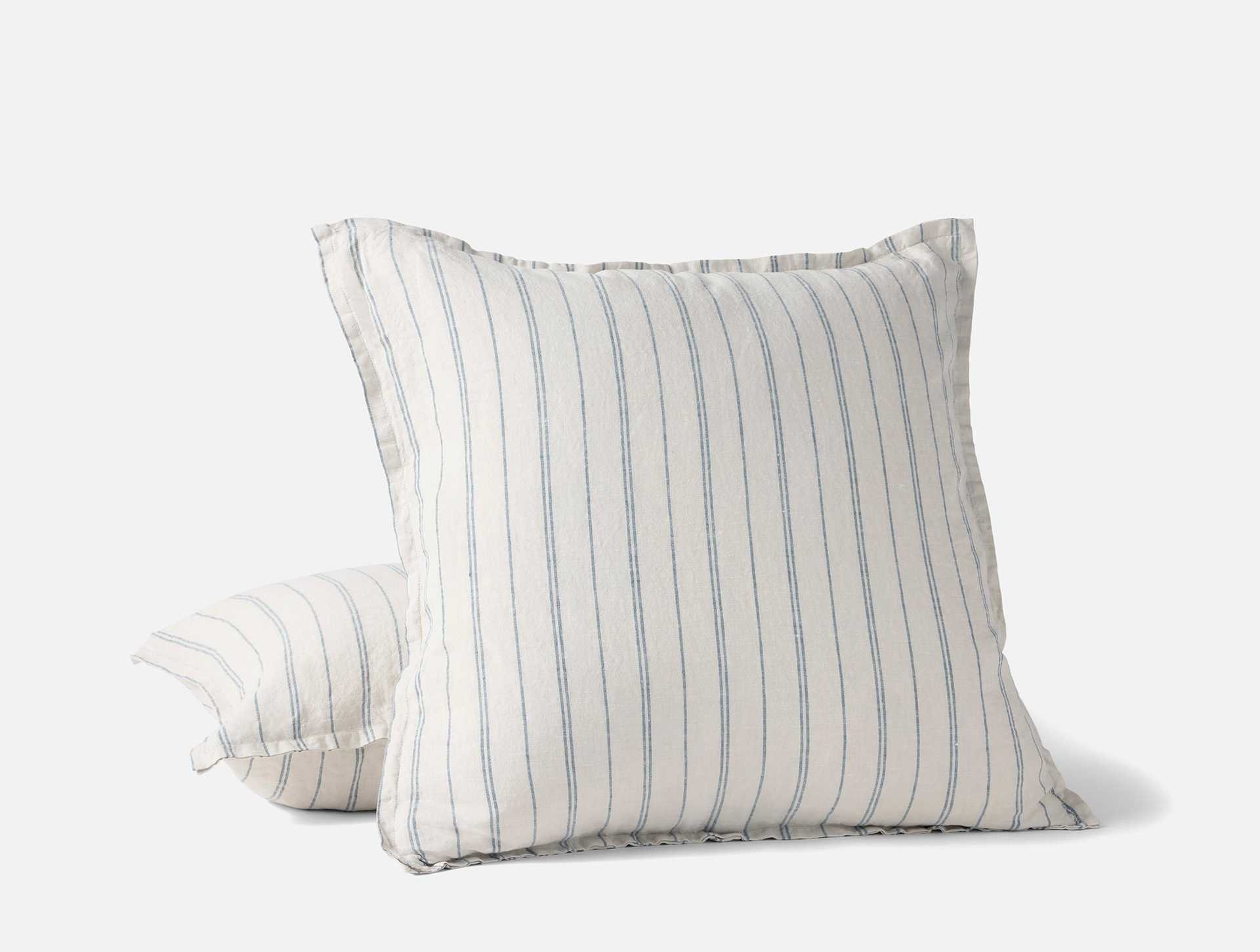
The Organic Relaxed Linen Decorative Pillow Cover exemplifies how linen’s breathable luxury translates to room décor. Washed for a relaxed hand, it invites tactile exploration and cross-palette coordination with other Coyuchi pieces, reinforcing a calm, cohesive bedroom ecosystem.
The decorative pillow market often serves as a proving ground for weave integrity and colorfastness. Coyuchi’s approach—GOTS-certified fabric, plant-based finishes—ensures that décor doesn’t come at the expense of environmental accountability.
Care, Durability, and Everyday Use: How Linen Performs
A linen bed treatment is a daily negotiation with humidity, heat, and movement. Linen’s hollow fibers promote air and moisture exchange, which makes linen sheets feel cooler in warm months and pleasantly insulating in cooler seasons. The cleaning rituals are intentionally simple: cold wash, gentle cycle, line dry or tumble dry low. The texture deepens with washing and time, a memory of use embedded in the fabric itself.
Yet care instructions are not merely about maintenance; they are about preserving the material’s integrity. Modern linen blends and plant-based softeners can enhance softness, but the core properties survive wash after wash when fabrics carry credible certifications and transparent sourcing data.
For readers who want a quick diagnostic: seek fabrics with zero or low chemical finish, respect for flax fiber, and clarity on the chain of custody from field to sheet. A product that communicates its environmental narrative with credible standards—GOTS, Belgian Linen, EU textile regulations—will likely reward you with longevity and daily comfort.
Product Spotlight: Organic Relaxed Linen Pillowcases (Brand: Coyuchi)
Organic Relaxed Linen Pillowcases
100% organic flax linen from France, woven in Portugal with a pick-stitched cuff, GOTS-certified for natural softness and durability.
- Origin: France (flax) • Portugal (linen)
- Care: Machine wash cold; tumble dry low
- Finish: Pick-stitched cuffs; plant-based softener
A tactile example of linen’s quiet luxury—soft, breathable, and built to soften with each wash.
This pillowcase embodies a graceful, lived-in aesthetic. The fabric’s relaxed weave is designed to regulate temperature naturally, making it a versatile companion for sleepers in varied climates.
Note: The product line’s imagery demonstrates a palette that harmonizes with linen’s natural hues—oat, chambray, fog—offering a curated set that can anchor a cohesive bedroom mood.
Three Time-Period Icons in Linen: A Mini-Cézanne of Linen History
Ancient Textile Traditions (Circa 500 BCE – 1st CE)
Linen’s earliest chapters trace to ancient civilizations that prized flax for its cool, crisp hand in warm climates. In this era, linen was not merely apparel or bedding; it was a cultural marker—an everyday luxury and a practical necessity woven into robes, shrouds, and homes.
The significance remains: linen’s structural integrity and breathability are not modern innovations but inherited attributes—an ancient wisdom that modern brands reframe through contemporary certifications.
Renaissance to Enlightenment (14th–18th centuries)
Linen’s status as a commodity and a premium textile matured in European weaving centers. Guilds, linen lace, and durable bed coverings connected labor, craft, and science—an early form of the modern textile supply chain that underpins today’s emphasis on provenance and craftsmanship.
The historical memory of linen’s stewardship informs today’s consumer questions: where does linen come from, and how is it produced? The answer, in part, lies in the certification practices and transparent labeling that mark contemporary bedding.
20th–21st Century: The Green Transition
The modern linen movement is inseparable from sustainability discourse. From organic farming to ethical mills, linen emphasizes lifecycle thinking and minimal chemical load. Brands position linen bedding as a durable, responsible choice—an antidote to throwaway textiles.
In this continuum, the bed becomes a site of ethical daily practice, a small but potent arena where environmental values are enacted through carefully chosen fibers and responsibly produced textiles.
Glossary and Further Resources
For readers who wish to deepen their vocabulary and understanding, the following terms anchor a credible, research-forward approach:
- GOTS: Global Organic Textile Standard, a leading textile processing standard for organic fibers.
- Belgian Linen label: A quality mark indicating linen woven in Belgium with European flax yarn.
- Flax: The plant that yields linen fibers, prized for breathability and moisture management.
- Weave density and hand: The texture and weight of linen according to weave and fiber quality.
- Lifecycle thinking: Considering a product’s environmental footprint across its entire lifespan, from cultivation to disposal.
Conclusion: The Quiet Revolution of Linen Bedding
Linen bedding invites a patient, almost ceremonial approach to sleep. It asks us to consider the long arc of a textile—from field to fabric to daily ritual. The brands that succeed in this space—whether Coyuchi, Naturepedic, Libeco, or peers—offer more than a product; they offer a narrative of responsibility, a material truth that is at once scientific and sensorial.
The bed, after all, is a sanctuary where we spend nearly a third of our lives. To choose linen with integrity is to invest in a certain form of daily well-being: a breathable warmth in winter, a cooling calm in summer, and a durable, evolving texture that grows with us—proof that sustainable textiles can feel as intimate as a familiar sigh.
References and Suggested Reading
Further reading would include textile history sources, sustainability reports from linen mills, and certification bodies. Readers are encouraged to consult institutional libraries and textile associations for scholarly analyses and comparative data on flax farming, processing, and environmental footprints.